From Surviving to Living: My Journey Through Post Traumatic Stress Syndrome and How You Can Heal Too
Sometimes it seems like life goes on, but inside you feel like something is broken.
You try to be strong, but your body keeps sending signals: tension, anxiety, fatigue, insomnia. Many people don't realize that these can be signs of unresolved trauma.
Post-traumatic stress disorder (PTSD) isn't a label that simply disappears. It's a deep wound that takes root not only in the mind but also in the body. Trauma is stored in our nervous system and cells. That's why symptoms often keep recurring, even when we try to "just move on.".
Many people with PTSD think their symptoms are primarily mental. In reality, the body constantly displays signals: chronic tension, restlessness, poor sleep, or unexplained fatigue.
I know this not only as a therapist, but also from personal experience. I personally experienced PTSD. I was also the mother of children who experienced emotional trauma and panic attacks at a young age.
You're constantly "on," living in alertness—for yourself and your children. That constant tension can be completely exhausting. It's precisely this experience that has shaped my work as a therapist. I know how important it is to recreate safety, peace, and healing—in the body, the nervous system, and the entire family.
Who is this guidance intended for?
My PTSD counseling can help if you:
stuck in a difficult divorce
have panic attacks
experiencing chronic stress or burnout
want to process old traumas
have physical complaints due to stress
My practice combines psychological guidance, bodywork and orthomolecular medicine to address the cause of complaints
Childhood Trauma – The Silent Cry for Safety and Love
Many children silently carry an invisible burden. They can't always express their feelings in words, but they reveal their tension through behavior, anxiety, or physical symptoms. Behind these signals often lies a deep need for safety, recognition, and love.
In cases of trauma, we often see that children react sensitively to the emotional atmosphere in the family. Mainly unprocessed emotions of parents — and often the mother's — can influence a child's sense of security. A child's nervous system is strongly attuned to that of the parent.
I know this from personal experience. My children experienced panic attacks and emotional distress at a young age. It was difficult to witness their struggles and not know exactly how to help them.
The real change started when I dared to look at myself. By processing my own traumas, releasing emotions, and restoring my nervous system, something began to change in my children. They became calmer, stronger, and happier. Not because I "fixed" them, but because I began to heal myself.
Trauma healing often begins within. When a parent processes their own emotions and past pain, it can have a profound healing effect on the entire family.
Would you like to work on this more deeply yourself?
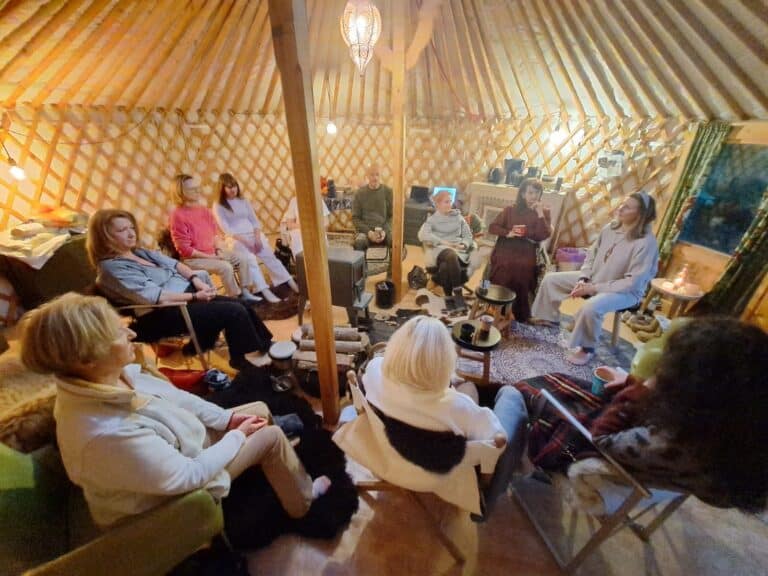
In my practice I guide parents in processing trauma, restoring the nervous system and releasing emotional blockages.
You are very welcome.
PTSD Treatment – The Steps That Helped Me:
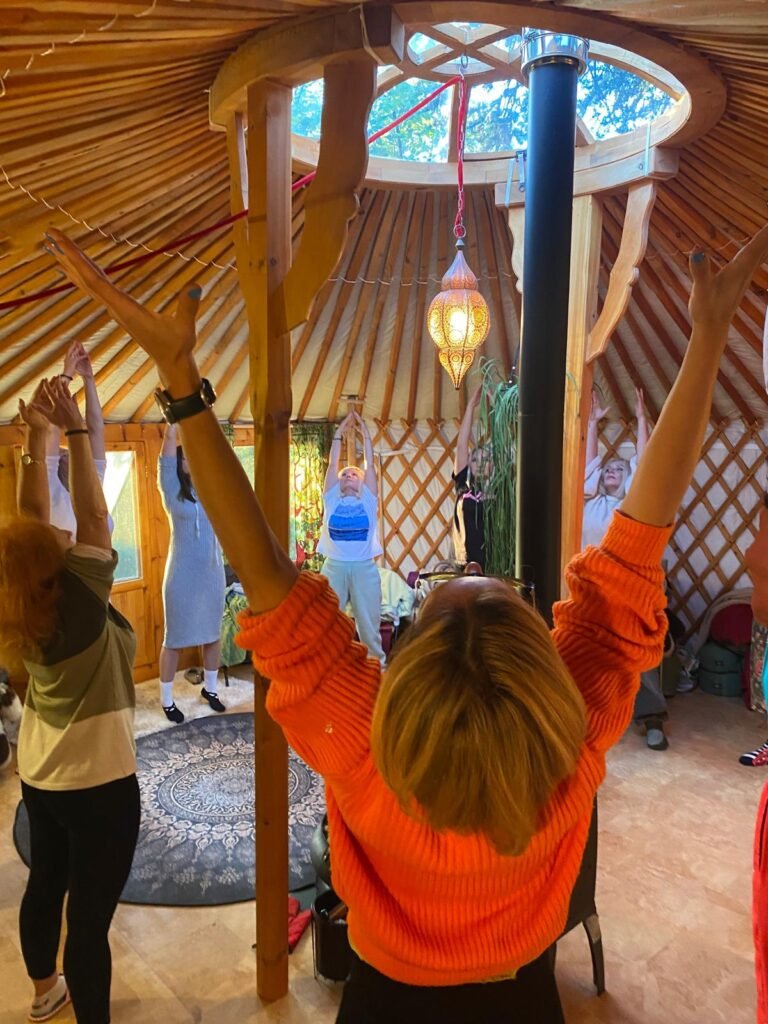
1️⃣ Body-oriented therapy
2️⃣ Breathing and meditation
3️⃣ Processing stored emotions
4️⃣ Nutrition and gut repair
5️⃣ Restoring the nervous system
In my practice I combine these elements so that body and mind can regain balance.
I have personally experienced how powerful this approach can be
Would you also like to experience peace in your body and mind again?
You don't have to do this process alone.
I am happy to guide you step by step towards recovery.
How can I help you with trauma and PTSD?
to process trauma
restore nervous system
release emotional blocks
guidance for panic attacks and stress


3 thoughts on “Mijn weg door Post Traumatisch Stress Syndroom”
Pingback: Stomach bacteria fatigue | h pylori symptoms
Pingback: Tension in the body
Pingback: Walk in Maastricht